Chancellor Healey signals potential UK bank surcharge increase
Chancellor John Healey is poised to raise the bank surcharge in his 28 October budget to offset fiscal pressures, following meetings with major bank bosses who received no reassurance tax hikes were ruled out.

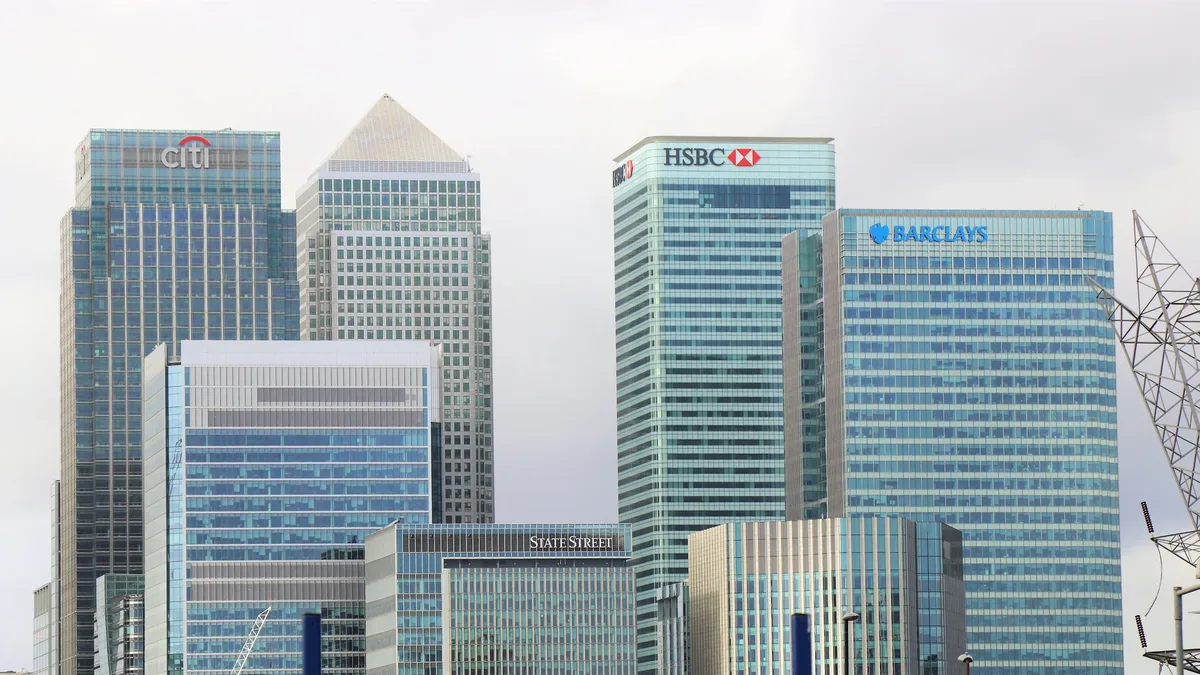
Chancellor John Healey is poised to raise the UK bank surcharge in his 28 October budget. The move aims to offset fiscal damage linked to war in the Middle East and rising government borrowing costs. Healey indicated he is minded to increase the surcharge on bank profits over and above corporation tax. UK bosses of HSBC, Lloyds, NatWest, Barclays and Santander met him last week but received no reassurance that tax hikes were ruled out.
Healey has previously praised the sector's economic role. 'My observation on the banks is that people too often see them as big, distant financial institutions, when they are hardwired into the economic fabric of this country and our future prospects,' he said.
Banks' recent profits fuel tax debate
The UK's four largest lenders-HSBC, NatWest, Barclays, and Lloyds Banking Group-collectively made around £15 billion in profit in the first half of this year. Over the past five years, they have generated £200 billion in pre-tax profits.
Think tanks and trade unions have urged Healey to tax banks more heavily. Paul Nowak, general secretary of the Trades Union Congress, argued for a fairer share. Nowak said Britain’s big four banks are making a billion pounds a week, while bonuses have hit a post-crash record. These are bumper profits, driven by high interest rates and households’ mortgage misery, he contends.
Fiscal pressures drive Treasury's bank tax focus
Rising government borrowing costs threaten Treasury deficit reduction plans. The UK's cost of borrowing has risen sharply alongside other big economies. Bond markets responded to higher inflation prospects stemming from the Middle East conflict. The Treasury seeks upwards of £2 billion a year from bank tax measures to offset this fiscal strain.
Policy options and industry pushback
One clear option is reversing cuts to the bank surcharge made by former Chancellor Jeremy Hunt. The banking surcharge was reduced from 8% to 3% in 2023. Reversing that cut could raise over £2 billion annually.
Industry lobby groups have pushed back forcefully. Bank bosses lobbied against tax rises after narrowly escaping higher levies in last year’s budget. Lobby groups UK Finance and TheCityUK wrote to Healey warning that higher taxes would weaken investor confidence, damage UK attractiveness, and could force staff and business relocation. In a joint letter, chiefs of TheCityUK, the CBI and UK Finance cautioned that higher taxes may not increase receipts if capital, people and businesses move elsewhere.
John Godfrey of TheCityUK captured the industry's defensive stance. 'Banks do not want to get into debating the menu of taxation,' he said. 'The fact is that we don’t want to eat in that restaurant.' The baseline corporation tax rate against which the surcharge applies is 25%. Healey is set to deliver the budget on 28 October, where decisions on bank taxation will be formally outlined.