Cash Isa
| Type of account | Savings account |
|---|---|
| Tax treatment | Income and interest are tax-free |
| Annual allowance | Set by government, varies by tax year |
| Access to funds | Varies by provider, often instant or with notice |
| Provider type | Banks and building societies |
| Withdrawal rules | Permitted, may affect annual allowance |
| Regulatory framework | UK Financial Services regulation, covered by FSCS |
Origin and history
The Cash Individual Savings Account (Cash ISA) originated in the United Kingdom. It was launched in the late 1990s as a core component of a new government savings framework. This framework, introduced in April 1999, replaced the earlier Personal Equity Plan (PEP) and Tax-Exempt Special Savings Account (TESSA) regimes. The policy aim was to simplify and encourage tax-free saving for the general public. The creation of ISAs was a legislative act by the UK government, not an innovation by the banking sector. The structure and rules governing Cash ISAs have been adjusted multiple times by successive governments, particularly regarding annual subscription limits. Their fundamental principle of providing a tax-free wrapper for cash savings has remained consistent since their inception.
What it is for
A Cash ISA is a tax-advantaged savings or deposit account offered by UK banks, building societies, and credit unions. Its primary function is to shelter the interest earned on cash savings from UK Income Tax and Capital Gains Tax. The account is designed to hold sterling cash deposits, including in instant access, fixed-term, and notice-based accounts. It serves as a straightforward vehicle for individuals to build savings without the liability of tax on the interest generated. The product exists specifically within the UK's national tax system and is not a cross-European savings instrument. Financial institutions provide these accounts under strict rules set by HM Revenue & Customs (HMRC) regarding eligibility, subscription limits, and transfers.
Pros and cons
A primary advantage is the guaranteed tax-free interest, which is particularly beneficial for higher-rate taxpayers whose savings interest might otherwise exceed the Personal Savings Allowance. The product range is broad, offering options from easy-access to fixed-rate bonds to suit different saving goals. However, a significant drawback is that the interest rates offered on Cash ISAs are frequently lower than the rates on equivalent taxable savings accounts, which can negate the tax benefit for basic-rate taxpayers with modest savings. A common mistake is subscribing to a Cash ISA without comparing its rate to the best available taxable account, leading to a lower net return. Many individuals regret locking funds into a fixed-rate Cash ISA just before a period of rising base rates, missing out on better returns. The "ISA wrapper" itself also adds administrative complexity for savers who wish to transfer providers, a process that must be done correctly to retain the tax-free status.
Who it suits
This product suits UK taxpayers who have exhausted their Personal Savings Allowance and would otherwise pay tax on their savings interest, typically those with larger cash reserves. It is appropriate for individuals seeking a predictable, low-risk home for their emergency funds or short-term savings goals within a tax-protected environment. Conservative savers who prioritize capital preservation over investment growth and are uncomfortable with the volatility of Stocks and Shares ISAs often find Cash ISAs suitable. It is also a logical choice for individuals planning for near-term expenditures, such as a house deposit, where accessing the capital without market risk is crucial. The product is less suited to basic-rate taxpayers with savings below the Personal Savings Allowance threshold, as they gain no tax benefit and may secure higher returns elsewhere. It is generally not an effective long-term wealth-building tool for younger savers due to the erosive effects of inflation on cash savings over extended periods.
Latest Cash Isa news
Latest reporting

Kraken Expands Crypto Debit Card to US Market
Kraken has launched its multi-asset debit card in the US, allowing users to spend hundreds of crypto and cash currencies.

Companies Prefer Cash Over Digital Payments, ECB Finds
A recent survey by the European Central Bank reveals that companies in the Euro area still prefer cash over digital payments, citing concerns over...
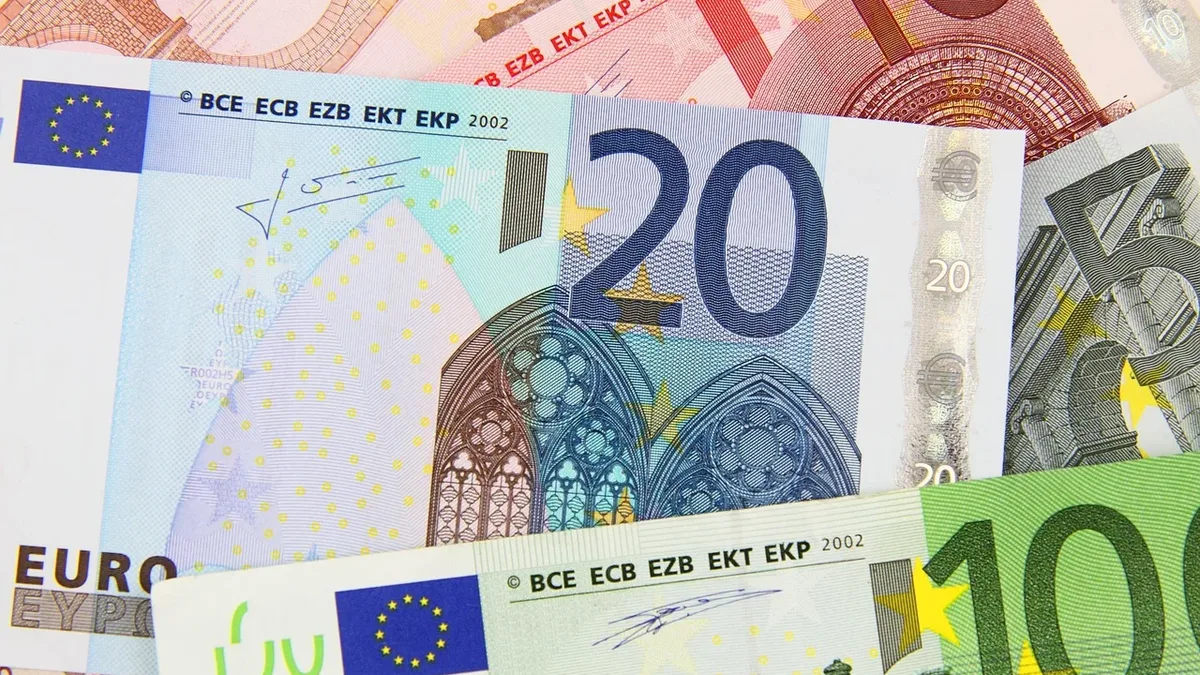
Cash Remains Most Widely Accepted Payment Method in Euro Area
A recent survey by the European Central Bank found that cash acceptance has rebounded in the euro area, with 92% of companies accepting cash in 2026.