Current Account
| Product type | Bank account |
|---|---|
| Original use | Day-to-day banking and payment transactions |
| Primary regulation | European Union Payment Services Directive (PSD2) |
| Typical access | Debit card, online banking, cheque book (varies) |
| Common features | Direct debits, standing orders, cash withdrawals |
| Overdraft facility | Typically available (terms vary) |
Origin and history
The modern current account, as a deposit account for everyday transactions, originated in the banking systems of Western Europe, particularly in England and Italy, during the late medieval and early modern periods. Its development is closely tied to the evolution of fractional-reserve banking and the use of banknotes and cheques as substitutes for coin. In the 17th century, London goldsmiths began holding deposits for safekeeping and honouring written orders to transfer funds, a direct precursor to the cheque. The concept was formalised and popularised by the emerging joint-stock banks in Britain during the 18th and 19th centuries, becoming a standard banking product. Its function was fundamentally shaped by the need for secure and convenient commercial settlement, reducing the physical risks of carrying specie. The proliferation of current accounts across Europe and later the world followed the expansion of commercial banking networks and industrialisation, which demanded more sophisticated payment systems.
What it is for
A current account is a deposit account held at a bank or financial institution designed for frequent and immediate access to funds for daily economic activities. Its primary purpose is to facilitate transactions, allowing the account holder to make payments, receive income, and manage cash flow without handling physical currency. It serves as the central hub for receiving salaries, pensions, or other regular income via direct credit or bank transfer. The account enables outgoing payments through various methods including debit card transactions, direct debits, standing orders, and electronic bank transfers, both domestically and internationally. It provides a secure place to hold money short-term before it is allocated to savings, investments, or bill payments. Furthermore, it often forms the foundational relationship with a bank, upon which other services like overdrafts or loans may be offered.
Pros and cons
The integration with modern payment networks allows for instant transactions, automated bill payments, and seamless online commerce. However, a significant drawback is that current accounts typically offer little to no interest on deposited funds, meaning money held there loses purchasing power over time due to inflation. Many accounts also carry a complex fee structure, including monthly maintenance charges, fees for certain transactions, and particularly high costs for unauthorised overdrafts, which can trap users in debt. A common mistake is using a current account as a long-term savings vehicle, which is inefficient, or failing to monitor balances closely, leading to unexpected overdraft charges. Individuals who primarily deal in cash or have very low and irregular income may regret opening one due to the fees, finding a basic savings account or alternative payment methods more suitable.
Who it suits
This product suits individuals with regular income and expenditures, such as salaried employees, freelancers, and pensioners, who need a reliable mechanism to receive funds and pay bills. It is essential for anyone engaging in the modern economy, including online shopping, subscription services, and digital payment platforms, which almost universally require a linked current account. Businesses, from sole traders to large corporations, require current accounts to separate business finances from personal ones, manage cash flow, and process high volumes of transactions. It is particularly well-suited for those who value budgeting tools and financial oversight, as transaction histories provide a clear record of spending. Conversely, it is less suited for individuals with no steady income source or those who operate entirely in cash economies, where account fees would be a net burden. It also may not be the optimal choice for financially disciplined savers who could benefit from immediately sweeping surplus funds into higher-interest accounts.
Latest Current Account news
Latest reporting

FBI medical data breach by ShinyHunters
The FBI confirmed a cyber breach exposing sensitive medical and personal data of thousands of current and former agents.

Experian and iPiD partner for global bank
Experian and iPiD have partnered to offer UK businesses a single solution for verifying bank account ownership across international markets, aiming to
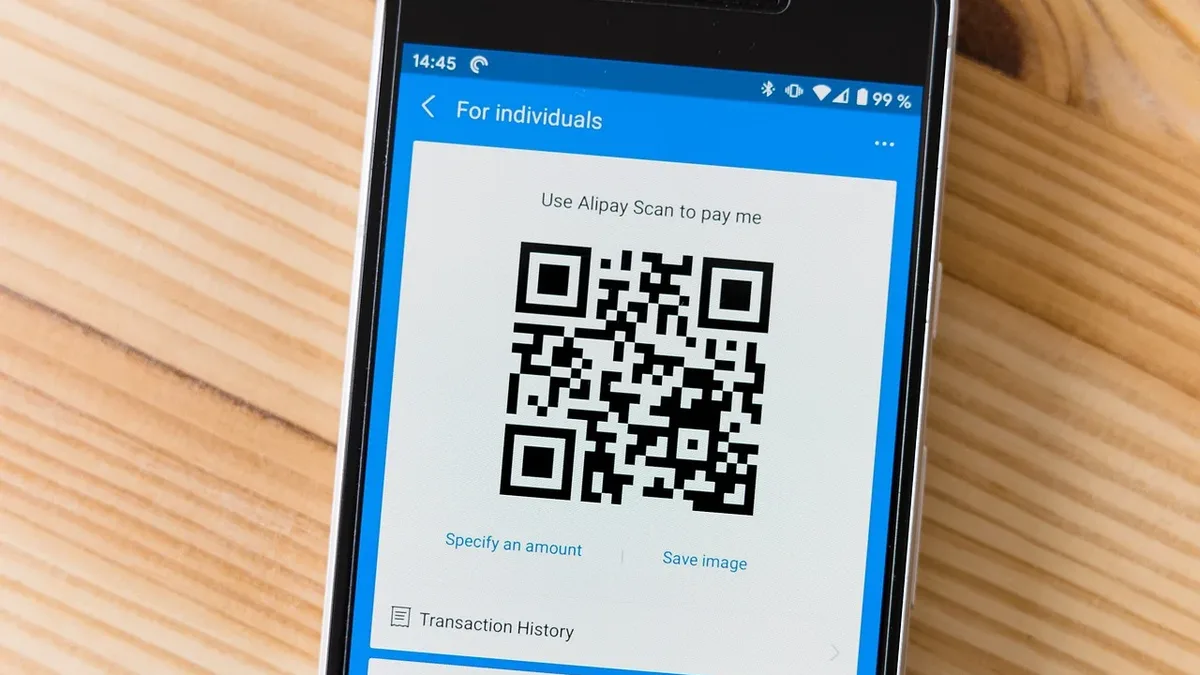
QR Code Scam Hits Bank Account
A 61-year-old man's bank account was targeted by scammers after he downloaded a parking app using a QR code, with £60 being taken in chunks.