QR Code Scam Hits Bank Account
A 61-year-old man's bank account was targeted by scammers after he downloaded a parking app using a QR code, with £60 being taken in chunks.
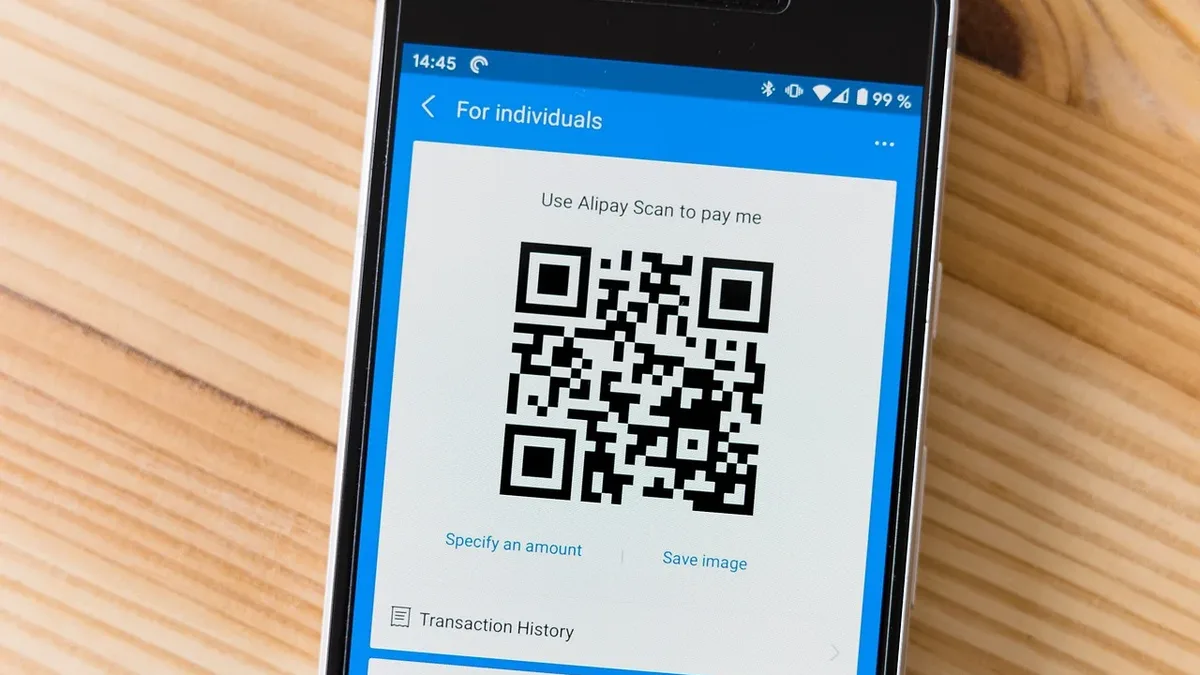
Les Howard, a 61-year-old man from Widnes, reportedly fell victim to a QR code scam when he downloaded a parking app to pay for parking in a car park in Caernarfon, North Wales. He had attempted to use the app to pay for parking after not having enough change, but soon became suspicious and deleted the app from his phone. However, by then, £1 had already been taken from his account, and the next day, another £60 was taken.
According to Howard, he had stopped the payment process, but the scammers had already set up a monthly £60 subscription. The council responsible for the car park, Cyngor Gwynedd, stated that it did not use QR codes for parking payments and had removed two fake QR code stickers from its car parks in the past year.
QR Code Scam Rise
Reports of QR code-related scams have increased by 700% in the past four years, according to figures from Report Fraud. Experts say that criminals are finding different ways to exploit QR codes as they become more common in everyday life. This includes disguising suspicious links in emails, gaining access to victims' messaging apps, or convincing people to download fraudulent apps to steal their money and data.
| Year | Number of Reports |
|---|---|
| 2022 | 341 |
| 2023 | 2,743 |
The National Cyber Security Centre advises people to use the QR scanner that comes with their phone, rather than downloading a separate app, to avoid potential scams. Ollie Whitehouse, the chief technology officer for the NCSC, stated that as QR codes become more commonplace, criminals will likely continue to exploit them.
Scam Techniques
Criminals are using various techniques to scam people using QR codes, including persuading people to scan QR codes that link a victim's messaging app with a criminal's device. Some people have been scammed even though the QR code they scanned was genuine. Professor Filipo Sharevski of DePaul University in Chicago noted that QR codes allow scam links to slip through email filters, making them a valuable tool for criminals.
Microsoft reported that QR code phishing emails are the fastest-growing scam technique, with 18.7m cases recorded in March of this year. The NCSC said that QR codes are also being used in phishing emails to disguise links to malicious sites.
The case of Keith Betton, a 66-year-old man from Surrey, highlights the dangers of QR code scams. He scanned a QR code on an advert for a book, which led him to a website where he was asked to enter payment details. He eventually managed to get a refund from his bank after £59.99 was taken from his account. The NCSC and other experts warn people to be cautious when using QR codes and to never enter payment details on a website linked to a QR code without verifying its authenticity.