UK and German Banks Lead European Coal Financing Since COP26
UK and German banks provided $8.3bn and $4.9bn respectively in coal financing since the 2021 COP26 summit, according to new research.

UK-based banks provided $8.3bn in coal financing since the COP26 climate summit in Glasgow in 2021. German banks provided $4.9bn over the same period, according to a new analysis published this week. The research from Germany-based environmental organisation Urgewald tracked loans and underwriting from 744 commercial banks worldwide to companies in the coal value chain. Collectively, these banks provided $467bn in financing between 2022 and 2025, averaging about $117bn per year.
Diverging trends among major European banks
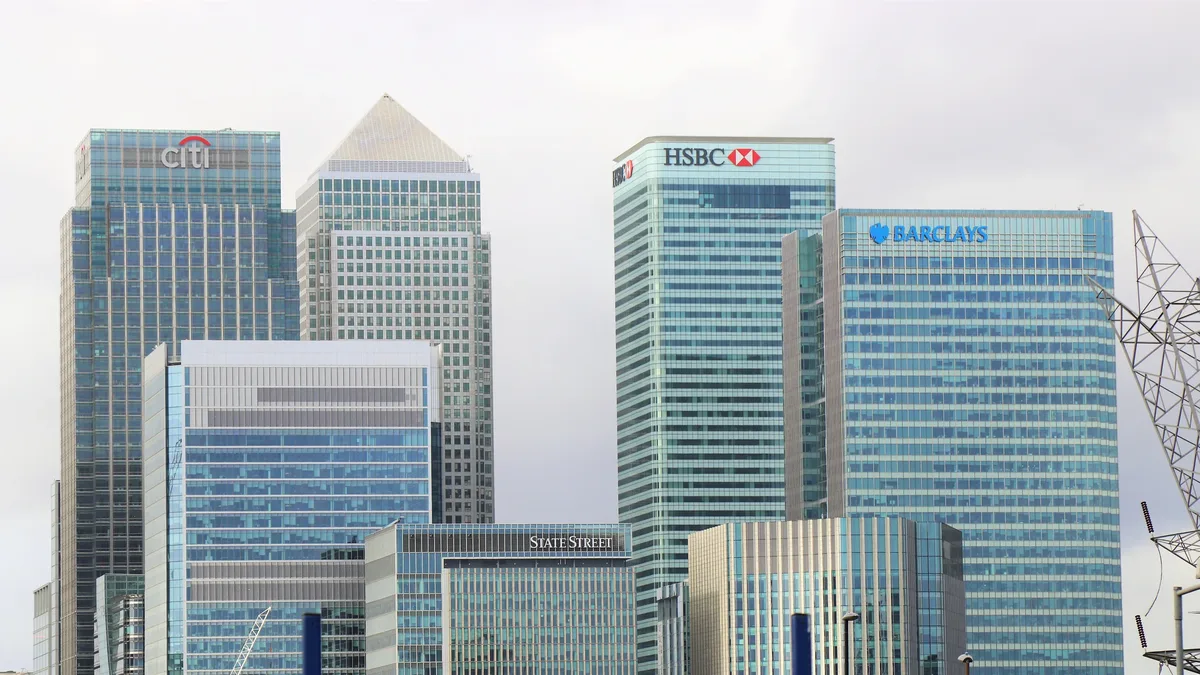
While banks across the European Union reduced their collective coal financing by 46% between 2022 and 2025, dropping from $4.8bn to $2.6bn, two major UK lenders moved in the opposite direction. HSBC more than doubled its coal financing, from $200m in 2022 to $414m in 2025. Barclays increased its exposure by 34%, from approximately $1.2bn to $1.6bn over the same period.
Contrasting regional patterns in coal finance
Global trends show a sharp divide. Banks in Taiwan, Malaysia, and Thailand significantly reduced their coal financing. Meanwhile, banks in other regions dramatically increased their support.
| Region | Coal Financing | Change Over Period |
|---|---|---|
| China | $289bn | +8% |
| United States | $67bn | +23% |
| Indonesia | Increased from $1.4bn to $2.3bn | +64% |
| South Korea | More than doubled | Not quantified |
Chinese banks accounted for 62% of the global total. US banks provided almost $70bn. Indonesian banks posted a 64% increase.
Bank commitments vs. Actual financing trends
These increases occur alongside public climate commitments from the banks involved. HSBC has pledged to phase out financing for thermal coal-fired power and thermal coal mining by 2030 in EU and OECD markets, and by 2040 elsewhere. The bank states that its financed emissions from thermal coal mining fell by 94% between 2020 and 2024, and its reported thermal coal financing exposures fell from approximately $1bn to $0.5bn in that time. A spokesperson said, "These commitments support our ambition to align the financed emissions in our portfolio with net zero by 2050."
Barclays states it does not finance companies that generate more than 30% of revenues from thermal coal mining or power generation. Urgewald, which conducted the analysis, defends its definition of companies in the coal value chain as one widely accepted by many financial institutions.
Urgewald director Heffa Schücking called on the two UK banks to justify their positions. "Barclays and HSBC should explain why their financing is moving in the opposite direction to the rest of Europe," she said.