Barclays staff revolt over office return
Thousands of Barclays staff are demanding travel cost payouts and exemptions from a new mandate requiring three to four days in the office weekly, with

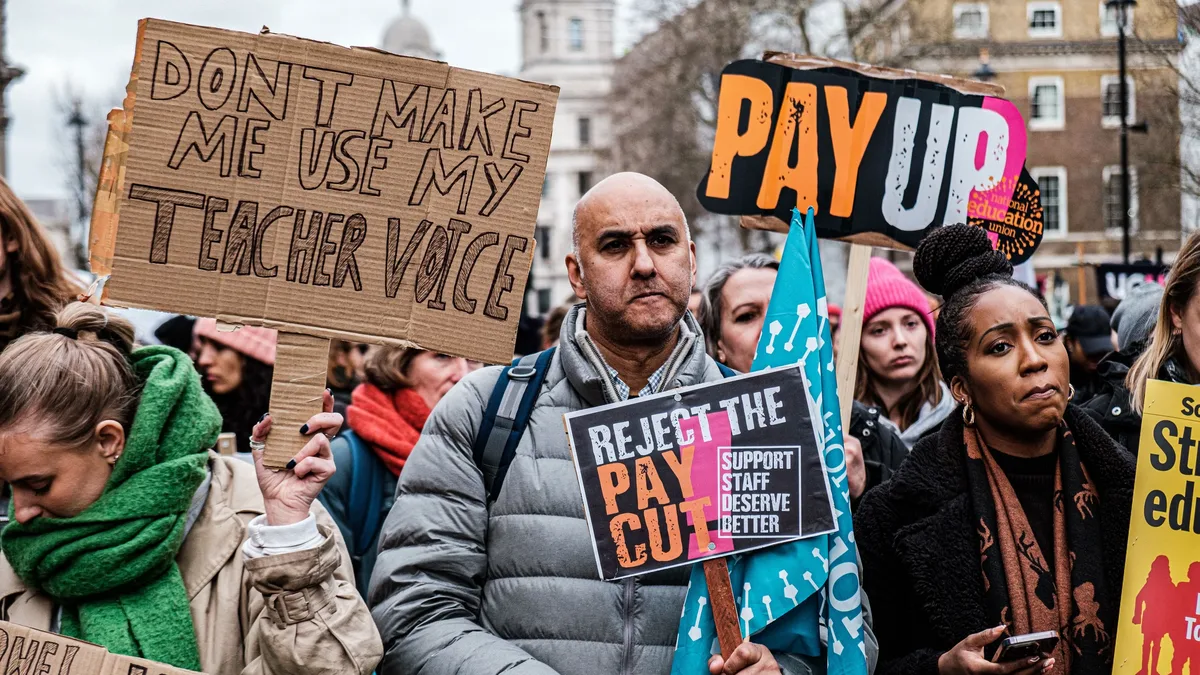
Barclays is facing a staff revolt over its return-to-office mandate. Thousands of unionised employees are demanding travel cost compensation and exemptions for those with long commutes.
The bank announced plans earlier this summer to increase its minimum office attendance. Starting in October, most full-time staff must be in at least three days a week, while more senior leaders are expected to attend four days. This marks a tightening from the current policy, which requires a minimum of two days in the office.
Unite, which represents nearly 80% of Barclays' 45,000 UK employees, says thousands have signed an open letter sent to bank bosses. The letter calls for financial support to cover increased travel costs and seeks an exemption for staff who live more than 40 minutes from their workplace. The union plans to formally raise these concerns with Barclays management in the coming days.
Union criticises bank's flexibility stance
Unite national officer Rick Coyle said the policy has caused significant consternation. He argued that Barclays is out of step with broader industry trends toward greater flexibility. "One of the issues that has caused consternation is that most employers in banking and financial services are generally embracing greater flexibility," Coyle stated. "Our members think that Barclays is trying to fix a problem that doesn't exist."
Coyle confirmed that the number of employees signing the protest letter continues to rise. The union intends to convey the strength of this feeling directly to the bank's leadership.
Policy aligns with wider banking shift
Barclays' move mirrors stricter return-to-office mandates enacted by other major global banks in the post-pandemic period. These institutions have been particularly insistent on bringing younger employees and junior staff back to physical offices to aid training and mentorship.
JP Morgan's chief executive, Jamie Dimon, articulated this reasoning last year. He told Bloomberg that banking relies on an apprenticeship model, suggesting remote work hinders development. It is an apprenticeship system … you can't learn working from your basement, Dimon said.
A Barclays spokesperson defended the policy, emphasising a balance between flexibility and the benefits of in-person collaboration. We recognise the benefits of balancing flexibility for colleagues with the importance of working together in our physical locations, the spokesperson said. They noted that requirements vary by business area but that most colleagues will align with the three-day minimum, with senior leaders spending an additional day in the office to support leadership visibility and decision-making.
The dispute highlights the ongoing tension within the financial sector between operational flexibility and traditional office-centric culture. Barclays' implementation of the policy, and its handling of the staff backlash, will be closely watched as the October deadline approaches.