FBI medical data breach by ShinyHunters
The FBI confirmed a cyber breach exposing sensitive medical and personal data of thousands of current and former agents.
The FBI acknowledged a cyber breach on Wednesday affecting thousands of current and former agents, with stolen data including medical records, personal identifiers, and job details. The cyber-criminal group ShinyHunters claims responsibility for the hack, which it says exposed data for around 60,000 FBI staff.
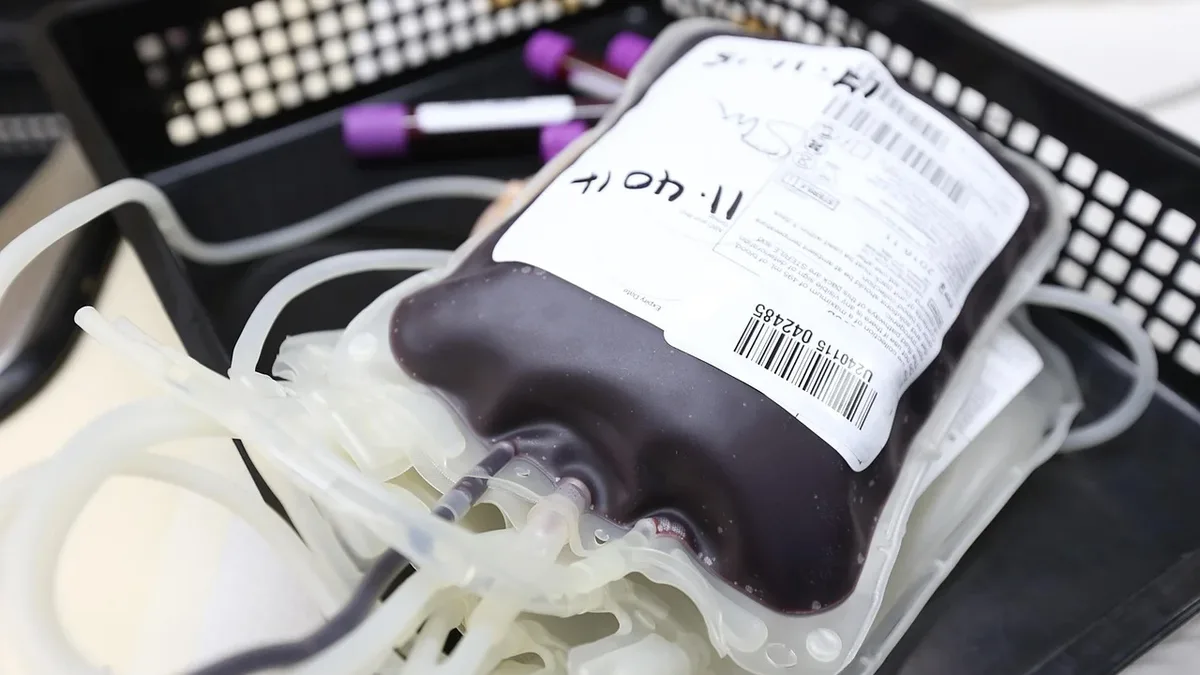
Stolen information includes blood and urine test results, doctors' notes, full names, addresses, phone numbers, badge numbers, job titles, and spouse information. The breach accessed multiple FBI platforms, including FBIJobs, the BEAST background check system, the MedLink medical records portal, and the BICS investigative database. Samples shared with journalists appear genuine and include records for senior officials such as deputy directors.
The FBI stated it is aggressively investigating the incident and working with third-party providers to mitigate risk. It is still determining whether the breach was direct or via a provider.
Hacker motives and methods
ShinyHunters claims it breached FBI systems on Monday by exploiting a vulnerability in an Oracle cloud storage system. The group communicates with reporters in English via Telegram and has posted details on its darknet site. Their extortion demand is unusual: they want the FBI to retract an advisory published in May which they say offended them, not financial compensation.
"What we plan to do is not something I'd call extortion, maybe coercion," the hackers said, adding their plans were not financially motivated. They state they will publish the full dataset in five days unless the FBI meets their demand.
Scope and severity of exposed data
The scale of the leak grew from initial estimates of 38,000 current employees to claims of 60,000 current and former staff. Medical conditions referenced in the data include shellfish and banana allergies, blood in urine, and high cholesterol. Etay Maor, vice-president of threat intelligence at Cato Networks, highlighted the unique danger.
"The list maps thousands of agents against their medical and fitness records," Maor said. He added, Passwords can be reset if stolen, but medical records cannot, so once this data is out, it stays compromised for good.
Security implications and expert warnings
Experts warn the exposed data could be used for highly convincing phishing, impersonation, identity fraud, blackmail, or operations targeting law-enforcement personnel. Jamie Akhtar, CEO of CyberSmart, said the breach appeared extremely concerning. Some compromised agents were involved in investigations relating to Russia, China, and drug cartels. Reporting also suggests details of a previously little-known FBI hacking unit may have been exposed.
Professor Ciaran Martin, former head of the UK's National Cyber Security Centre, described the hack, if confirmed, as serious as it gets for data breaches. The hackers state they will publish the full dataset in five days unless the FBI meets their demand to retract the May advisory.