ECB Holds Interest Rates Steady Amid 3.8% Inflation
The European Central Bank kept its key interest rates unchanged in October 2026 as inflation rose to 3.8% and credit growth slowed, committing to a data-dependent path to its 2% target.
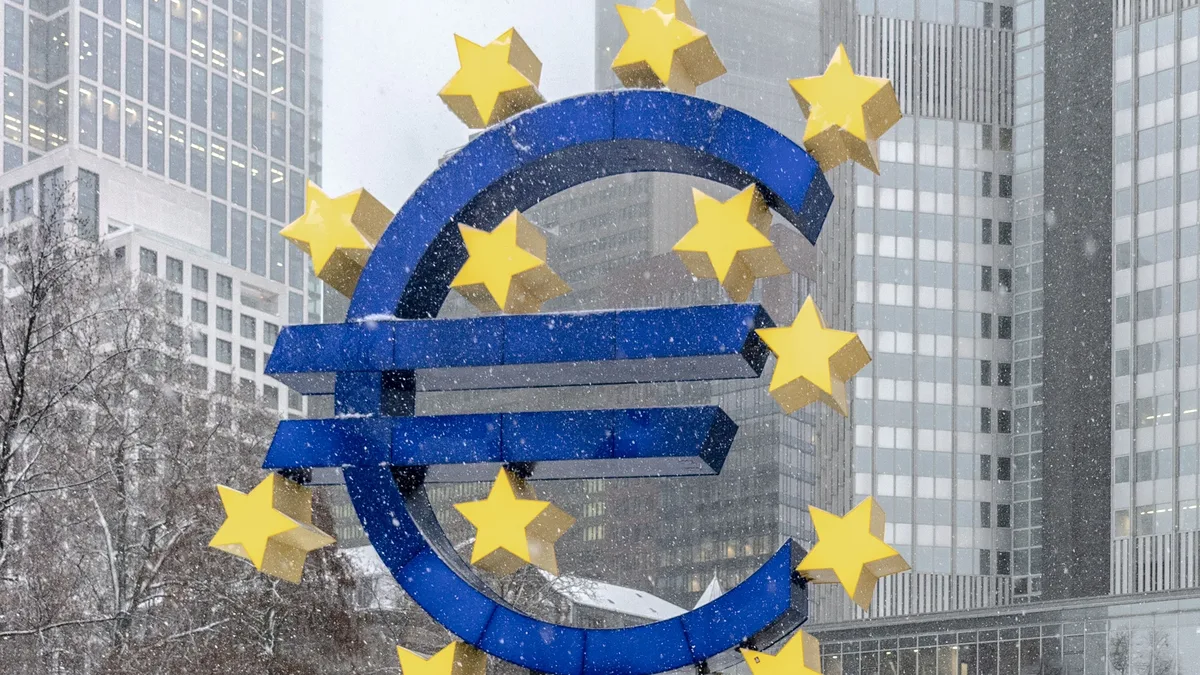
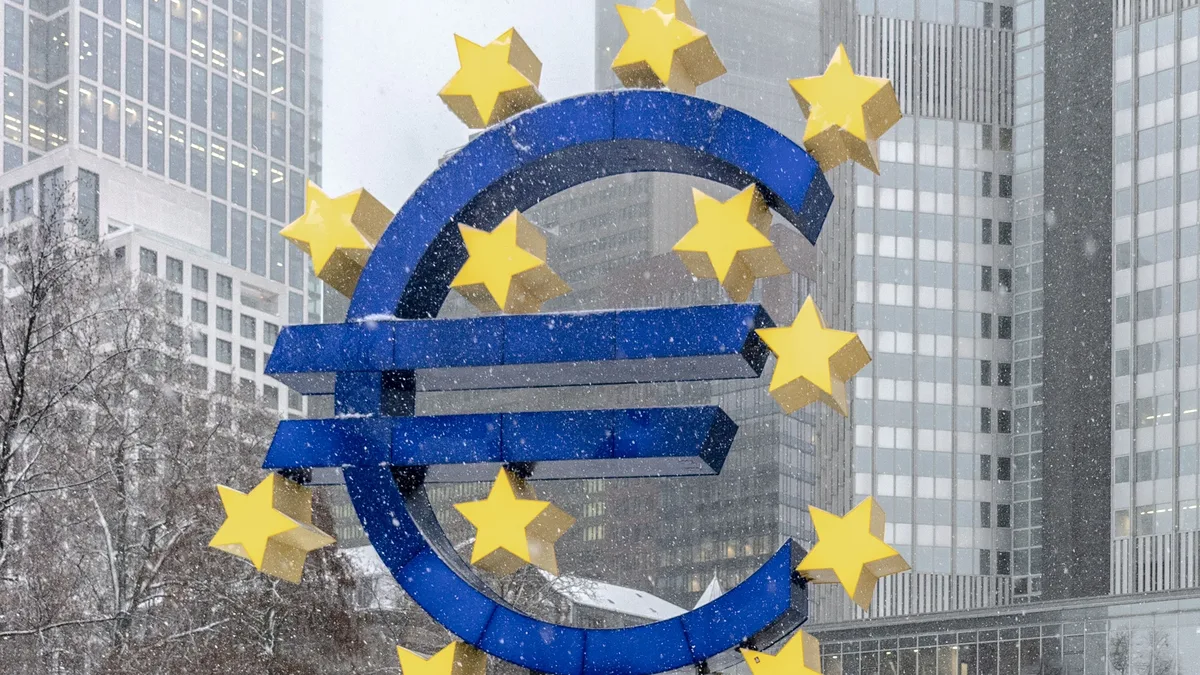
The European Central Bank left its three key interest rates unchanged on 29 October 2026. ECB President Christine Lagarde and Vice-President Boris Vujčić announced the decision in Frankfurt, warning that a prolonged energy shock is driving inflation higher while slowing economic growth.
Inflation rose to 3.8 per cent in September, up from 3.2 per cent in August. Energy prices were the primary driver, with energy cost inflation surging to 18.9 per cent. Underlying price pressures also intensified, as shown in the breakdown of inflation components for September 2026.
| Component | Inflation Rate (September 2026) | Change from August |
|---|---|---|
| Headline Inflation | 3.8% | +0.6 ppt |
| Energy Inflation | 18.9% | +4.6 ppt |
| Inflation Excluding Energy | 2.3% | +0.2 ppt |
| Food Inflation | 1.3% | +0.2 ppt |
| Services Inflation | 3.2% | Not specified |
| Goods Inflation | 1.1% | Not specified |
Financial conditions have tightened since the ECB's previous meeting. Interest rates have moved broadly higher and stock prices have fallen. Energy prices have also increased beyond the baseline path forecast in September.
Credit conditions tighten
Higher interest rates are dampening loan demand. Corporate loan demand declined, and credit standards for firms tightened in the third quarter. Growth in bank lending to companies slowed to an annual rate of 4.2 per cent in August and September. Bank lending rates for firms held at 3.8 per cent in August, while the cost of market-based debt for firms rose to 4.1 per cent.
The housing market is feeling the pinch. Mortgage rates increased to 3.6 per cent in August. Consequently, mortgage lending growth edged down to 3.0 per cent in September.
Wage growth moderates
Wage pressures remained moderate despite the inflationary environment. Compensation per employee grew by 3.3 per cent in the second quarter of 2026. A forward-looking wage tracker suggests negotiated wage growth will average 2.6 per cent in the first three quarters of 2027.
The eurozone economy expanded in the third quarter, supported by a services recovery, AI-related investment, and government spending on defense and infrastructure. Productivity has gradually improved. The unemployment rate remained stable at 6.4 per cent in August.
Policy path and risks
The Governing Council reiterated its commitment to price stability. Christine Lagarde said, "We are committed to setting monetary policy to ensure that inflation stabilises at our two per cent target in the medium term." The central bank is not pre-committing to a particular future rate path. Boris Vujčić stated, "We will follow a data-dependent and meeting-by-meeting approach to determining the appropriate monetary policy stance."
Risks to growth are tilted to the downside, primarily due to the Middle East conflict and the war in Ukraine. Continued energy supply disruption could keep energy prices high for longer. Tighter financing conditions and renewed trade tensions may also weaken investment and exports.
Lagarde urged EU policymakers to finalise the legal framework for the digital euro promptly, noting the process is in its final stage. She also called for fiscal responses to the energy shock to be temporary, targeted, and tailored, emphasising that fiscal sustainability is a crucial anchor for broader economic stability. The ECB will continue its data-dependent approach to monetary policy without pre-committing to a specific rate path.