UK-EU draft Brexit deal cuts food export red tape
The UK and EU have agreed a draft deal to scrap Brexit red tape over food exports, including the removal of health and phytosanitary certificates and export health checks.
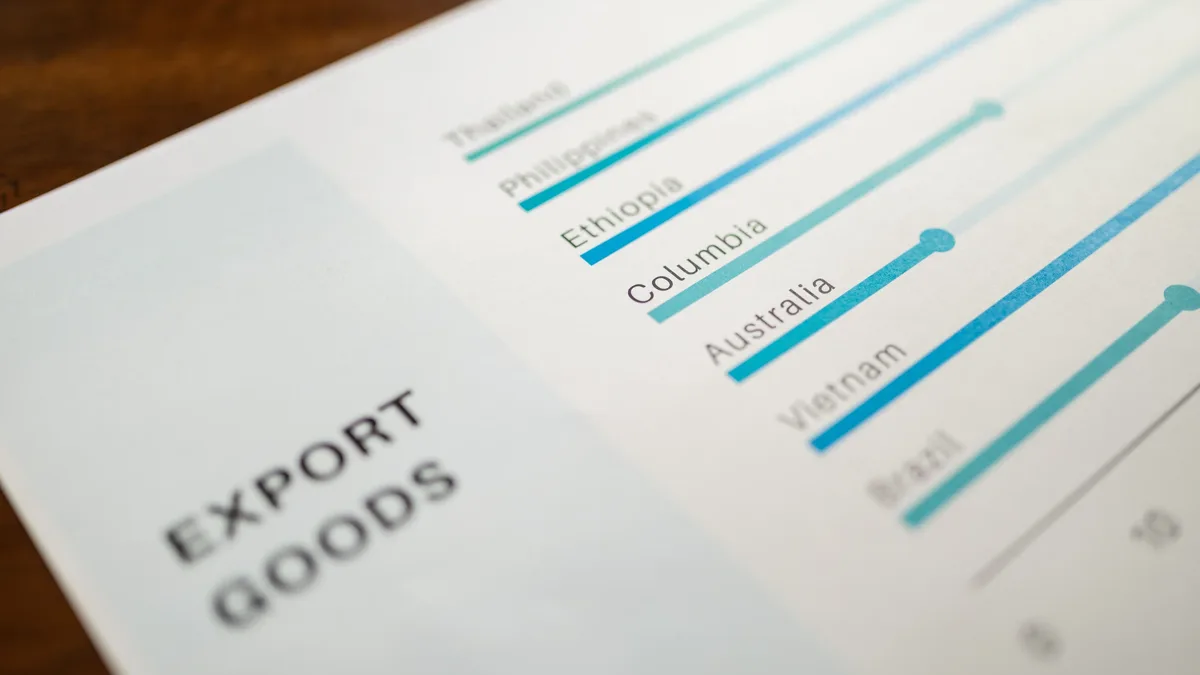
The UK and EU have reached a draft agreement to remove post-Brexit checks on food and agriculture exports. The deal aims to deliver £5.1bn in annual economic benefits by reducing regulatory burdens and restoring market access.
The draft agreement eliminates sanitary and phytosanitary checks and their associated certificates, streamlining trade for food products. Exports of fresh sausages, burgers, shellfish from domestic waters and seed potatoes to the EU would be able to resume. The deal would remove the need for £200 Export Health Certificates and £25 Phytosanitary certificates. Inspector fees, organic certificates, some port fees and other checks for exports and imports could also be removed. This marks the most significant part of the Brexit reset agreed so far.
Economic benefits for UK businesses
The UK economy may gain access to £5.1bn worth of annual benefits from the draft deal, according to the government. The UK previously required Export Health Certificates, which added thousands of pounds per truck and caused delays. The British Chamber of Commerce stated that following common rules is worth the cost due to lower costs, reduced delays, and increased market access. Its analysis suggests the current trade relationship is 'failing to deliver' and leaves firms struggling with Brexit red tape nearly six years after the UK's exit. Supermarkets and farmers' representatives support the food deal.
Sector reactions and industry impact
Industry leaders welcome the regulatory relief, while political figures express cautious optimism and ideological divides persist. Jon Walsh, CEO and co-founder of Bio&Me, said the draft deal was 'really good news' and that previous inspection costs of £140 per pallet made exports unprofitable. Some shipments of granola and overnight oats were returned due to regulatory issues. Walsh said, "You just kind of give up because you're losing money."
Political reactions vary. Kemi Badenoch, Tory Leader, said 'dynamic alignment' with the EU would be a red line and 'actually take us backwards'. Al Pinkerton, Liberal Democrat Europe spokesperson, called the draft deal a 'patch, not a fix' and argued the real solution is to rejoin the single market. Richard Tice, Reform UK's business spokesman, said returning to EU alignment would 'crush Britain's competitiveness'. Sir Keir Starmer was involved in discussions on these components before the process slowed after the selection of a new PM in July.
Port and logistics implications
Port operations stand to benefit from reduced checks and paperwork. Portsmouth City Council spent £6m of its budget building a Border Control Post after Brexit. The facility cost over £23m to build and is now redundant due to the draft agreement. The council is looking for government compensation for the costs. The deal will particularly benefit Northern Ireland by reducing post-Brexit checks on food products arriving at its ports, radically reducing the impact of the Irish Sea border. British pets will also regain passports for travel into the EU.
The 200-page draft deal, which includes references to UK involvement in defence co-operation and access to law enforcement databases, was circulated to EU nations for consideration. Britain is expected to commit to 'dynamic alignment' with existing EU regulations on plant, animal and food trade standards. The draft agreements will be discussed at a meeting of EU ambassadors called Coreper on Wednesday, with finalization expected at a summit later this month.