Notice Account
| Account type | Savings deposit |
|---|---|
| Access to funds | With notice period |
| Notice period | Varies by institution |
| Interest calculation | Typically daily or monthly |
| Interest payment | Typically monthly or annually |
| Regulatory protection | Covered by deposit guarantee scheme |
| Typical minimum deposit | Varies by institution |
| Taxation | Interest is taxable income |
Origin and history
The Notice Account is a financial product with origins in the traditional banking systems of Western Europe, particularly within the United Kingdom. Its development can be traced to the mid-20th century, emerging as a formalized banking instrument in the post-war period. This product evolved from earlier, less standardized savings practices where depositors would inform their bank of an intention to withdraw funds. The structure was designed to provide a compromise between the instant access of a current account and the fixed term of a deposit account. Its formalization was driven by banks seeking to manage liquidity more predictably while offering competitive returns to savers. The concept subsequently spread to other European markets and Commonwealth countries, becoming a standard offering in many retail banking systems.
What it is for
A Notice Account is designed for holding savings that are not required for immediate daily expenses but may be needed with some advance planning. Its primary function is to provide a higher rate of interest than an instant-access savings account, in exchange for the saver agreeing to a defined notice period for withdrawals. The account serves as a tool for individuals to earn a return on capital they intend to use for known, future expenditures, such as tax bills, holiday costs, or home repairs. It functions as a liquidity management instrument for the bank, allowing it to forecast cash flow needs more accurately by knowing the potential timing of large withdrawals. This product is not suitable for an emergency fund due to the access restrictions, nor is it intended for long-term, fixed investment goals. It occupies a specific middle ground in personal finance, catering to planned medium-term savings objectives.
Pros and cons
A significant advantage of a Notice Account is the typically superior interest rate compared to an instant-access account, rewarding the customer for sacrificing immediate liquidity. The notice period itself can act as a useful psychological barrier against impulsive spending, encouraging more disciplined saving. However, a genuine drawback is the financial penalty or operational delay imposed if a withdrawal is requested without giving the full notice, which can involve forfeiting interest or being unable to access funds when urgently needed. Customers often regret choosing a Notice Account when they underestimate their need for quick access to cash, leading to frustration during unforeseen financial emergencies. A common mistake is placing all one's savings into a Notice Account, leaving no buffer in an instant-access account for unexpected costs. Furthermore, the interest rate, while better than instant-access, often fails to compete with the returns available from fixed-term deposits, locking the saver into a lower yield for a less certain access benefit.
Who it suits
This product suits a disciplined saver with a clear financial plan who can reliably forecast their upcoming large expenses several months in advance. It is appropriate for individuals who have already established a separate, fully-funded emergency fund in an instant-access account and are looking to optimize returns on their remaining cash reserves. Notice Accounts are often used by those saving for specific, known obligations like annual insurance premiums, property taxes, or planned vehicle purchases. They can also suit more cautious investors who wish to avoid capital risk but find the rates on instant-access accounts insufficient, and who are not yet ready to commit to a longer-term fixed bond. It is less suitable for individuals with volatile income or unpredictable cash flow needs, such as those in freelance work or facing uncertain large expenditures. Ultimately, it is a product for organized finances where liquidity can be planned and managed according to a predetermined schedule.
Latest Notice Account news
Latest reporting

Experian and iPiD partner for global bank
Experian and iPiD have partnered to offer UK businesses a single solution for verifying bank account ownership across international markets, aiming to
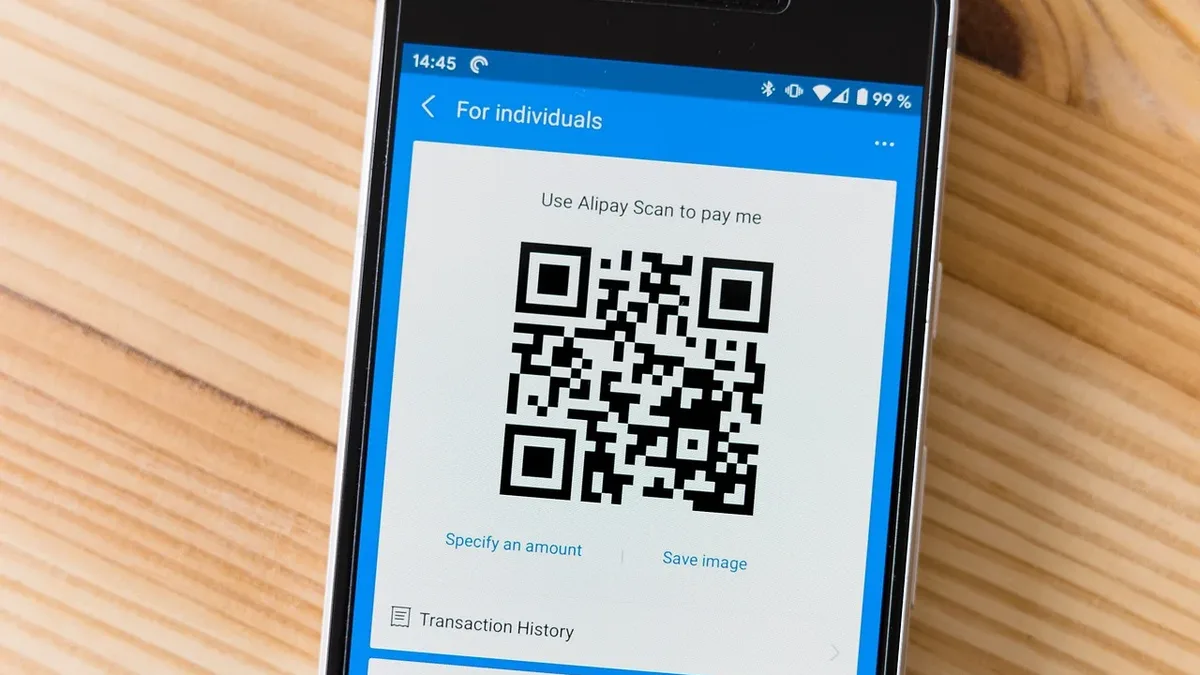
QR Code Scam Hits Bank Account
A 61-year-old man's bank account was targeted by scammers after he downloaded a parking app using a QR code, with £60 being taken in chunks.