ECB raises rates as oil prices stoke global
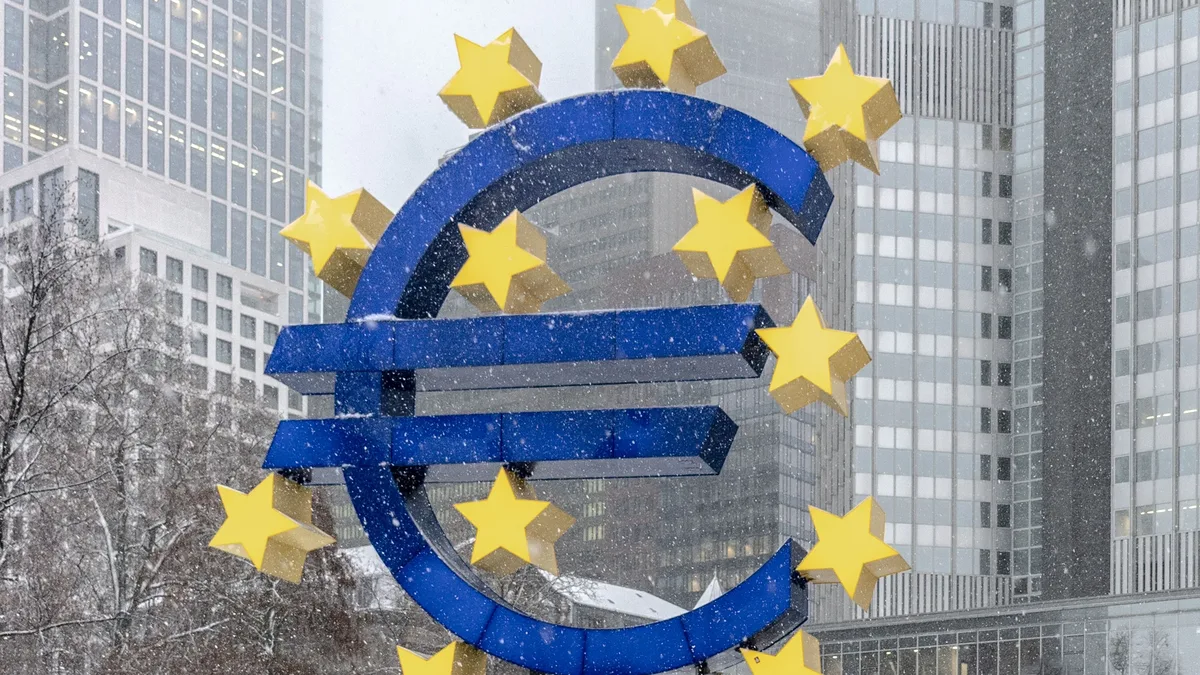
The European Central Bank has raised interest rates to 2.5%, citing persistent inflation from the US-Iran war's impact on energy costs.
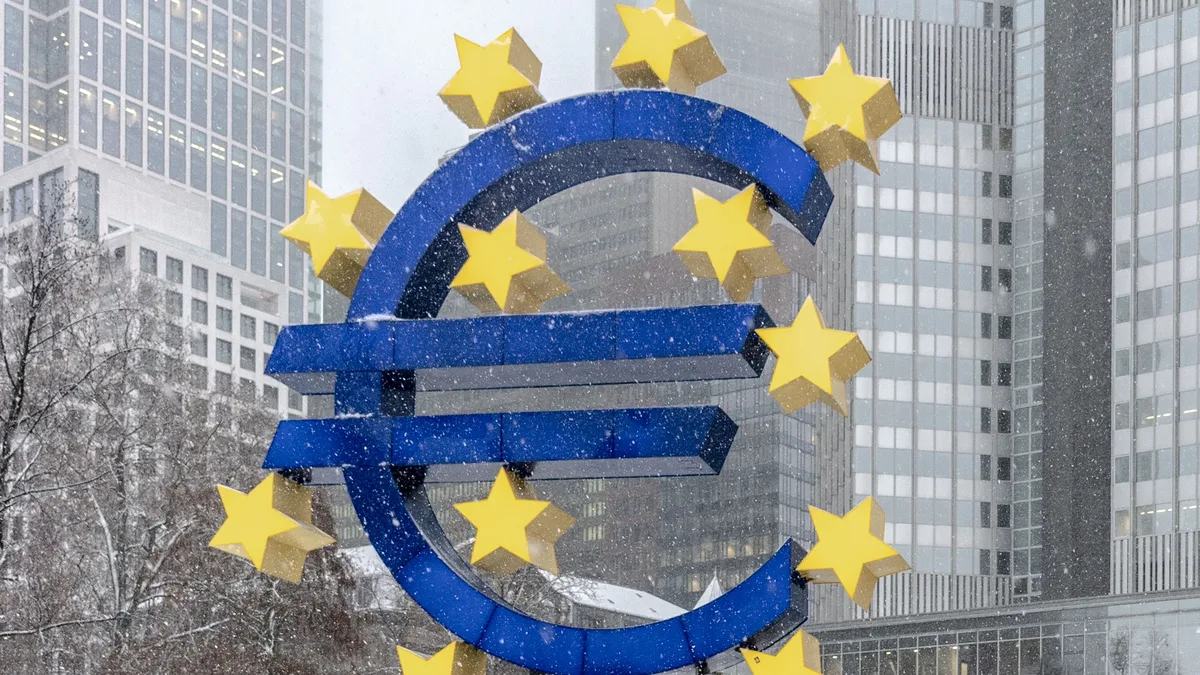
The European Central Bank has raised its key interest rate to 2.5%, warning that inflation is set to remain well above its 2% target. The bank cited the ongoing US-Iran war and its impact on energy prices as key drivers.
Other major central banks are now in focus. The US Federal Reserve will announce its decision on Wednesday, followed by the Bank of England later next week. Surging oil prices, driven by the conflict, are pushing up costs for households and businesses globally.
Central banks respond to price pressures
Central banks use higher interest rates to try to limit price rises. By increasing the cost of borrowing for mortgages and credit cards, they aim to slow consumer spending and curb inflation. Higher rates can also encourage saving over spending. It is a delicate balance, however, as increased borrowing costs can also lead businesses to delay investments and hiring.
The immediate pressure comes from the energy market. Shipments through the Strait of Hormuz, a critical oil and gas route, have been restricted due to the war. A barrel of Brent crude now costs around $105. These higher energy prices directly increase costs for homes and firms. They also make transporting goods more expensive, which can lead to steeper prices for food and other staples.
The Federal Reserve's upcoming decision
The US Federal Reserve has held its benchmark rate steady between 3.5% and 3.75% for its last five meetings. Its last move was a rate cut in December. Now, with US inflation at 3.4%, a strong jobs market, and comments from former President Donald Trump, many on Wall Street are betting on a rate hike this month.
Trump has said he does not think oil prices will come down until the Iran war ends, which he expects after November's elections. He has also publicly pressured the Fed, posting last week, "The Fed Board, with its great new leader, must get smart - BE PATRIOTS for a change."
Newly-appointed Fed Chair Kevin Warsh has not explicitly stated where he sees rates going. His repeated focus on the central bank's need to slow price rises has, however, further fueled expectations of an increase. Economists at Deutsche Bank recently said a rate hike is "the most likely policy outcome," pointing to comments from Warsh and other Fed members.
Views are not unanimous. Grace Zwemmer, a US economist at Oxford Economics, expects rates to remain unchanged. Almost universally, though, analysts believe a rate cut is off the table.
The Bank of England's balancing act
When the Bank of England meets, it must weigh current price pressures against the wider economic picture. Millions of UK households face energy bills rising to a three-year high this winter, with gas prices above 200p per therm for the first time since late 2022. UK inflation is currently at 2.9% and is expected to jump in the coming months.
Despite these pressures, there is broad agreement that the Bank will leave its rate at 3.75%. According to analysis from Oxford Economics, this is because there is "no sign" of second-round effects, such as workers demanding large wage rises or businesses hiking prices further. Economist Alexander Harvey said this gives the Bank "some breathing space."
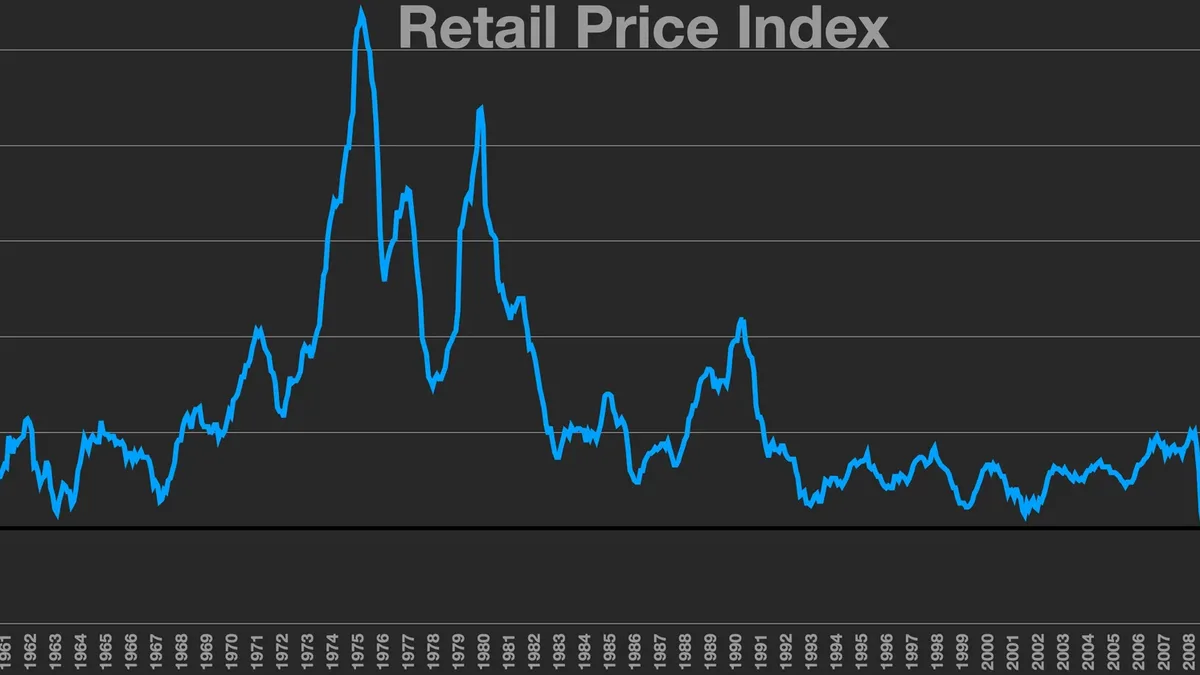
Yael Selfin, chief economist at KPMG, noted the economic environment outside the US is much weaker than in 2022, when UK inflation hit a record 11.1%. Interest rates are already higher than four years ago, and consumers have changed their spending habits after previous price shocks.
Harvey highlighted the contrast in labour markets. Four years ago, businesses were hiring aggressively and vacancies were at record highs as the economy rebounded from Covid. Employees had use to push for significant pay rises. "That's in stark contrast to the current labour market," he said. Hiring is now much weaker than average, reducing pressure to recruit and giving employees less power to demand higher wages.