Meta's $18bn US settlement sets teen social
Meta settled with US states for $18bn, imposing new teen usage limits like a two-hour daily time cap, hidden likes, and muted notifications during school.
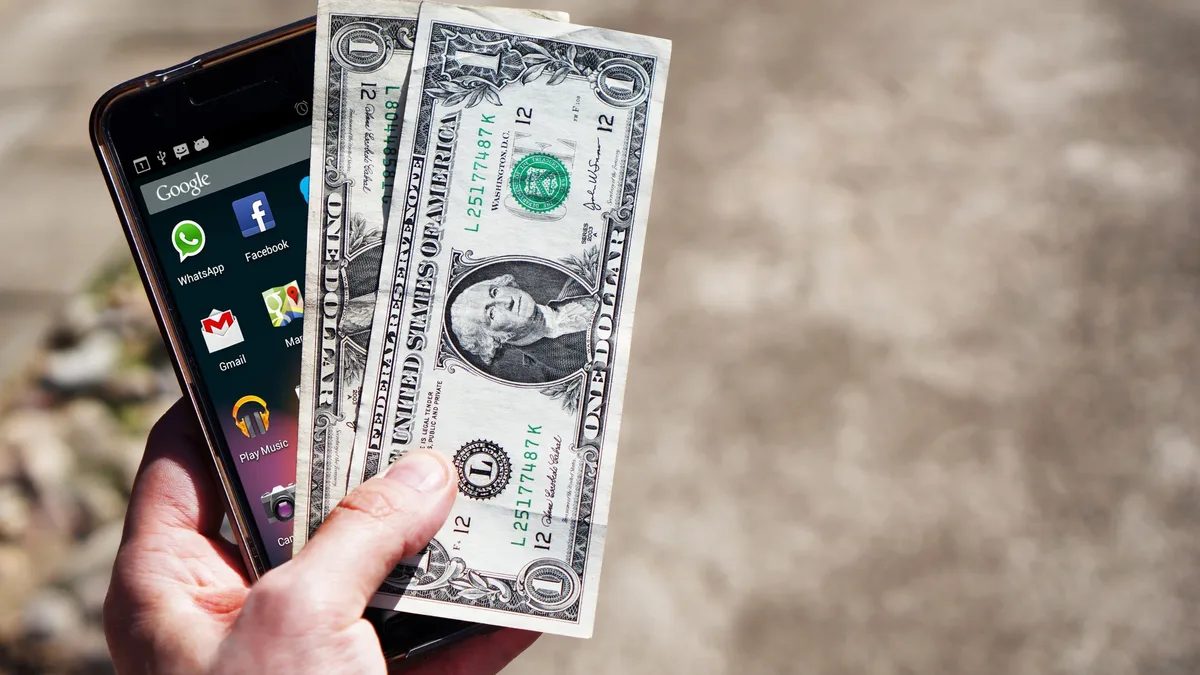
Meta will impose new restrictions on teenage users of Instagram, Facebook, and WhatsApp as part of an $18bn settlement with US states. The company announced the measures this week, settling a lawsuit originally filed in 2023 by 29 states alleging its platforms were deliberately designed to be addictive and that it violated laws on collecting children's data.
The settlement, which now involves 48 states plus the District of Columbia and three territories, does not include any admission of fault by Meta. The agreement was announced on Wednesday amidst a highly-anticipated trial where Meta owner Mark Zuckerberg was expected to testify.
New platform restrictions
Meta stated it would implement several specific changes for young users. These include setting a daily two-hour time limit on platform use. The company will also hide the number of likes a post receives and remove autoplay on videos.
Push notifications will be muted during school hours. Furthermore, the company has agreed to ban extreme make-up filters. Meta also announced changes to its age-verification process and parental controls.
An independent auditor will be appointed to check that the measures are implemented and maintained. The company said it would further tighten the daily time limit to one hour if other major platforms implement similar restrictions.
Parental and teen reactions
Many US parents who spoke to the BBC see the restrictions as helpful but remain sceptical about their long-term impact. Elizabeth Cardner, a mother of two girls in Houston, Texas, called the limits a welcome sign of growing awareness but said they "don't go far enough."
She believes the rules might save a few arguments at home but won't solve the core problem. Cardner feels stuck, unable to cut her children off from social media for fear they will be left out by peers, yet also unable to protect them from the harms she believes it causes.
Her 14-year-old daughter, Paige, believes the restrictions will lead to "more real-life scenarios" and less "fake content." She and her sister approve of hiding like counts and restricting filters. Paige, however, sees those gains as short-lived. "Since AI is evolving," she said, "people will find new ways to have fake filters."
Another mother, Andria Rose from near Boston, Massachusetts, told the BBC she feels defenceless. "No matter how much I protect my kids, Facebook, Instagram - they're coming in and literally, like, taking them out of their rooms," she said. Rose calls Meta's changes "fantastic" but does not believe they fully address the problem. "They're trying to limit the drug, but they're not controlling the drug," she stated.
Conditions and criticism
A specific condition of the settlement has drawn criticism from some parents. Meta will withhold $5bn of the $18bn settlement, releasing it only if YouTube, TikTok, and others enter into similar agreements. Joanie Story, a mother of four boys in Long Island, sees that as "petty."
"That's like saying: 'You know, we have the ability to fix what is broken, but we're only gonna fix it halfway,'" she told the BBC. Story still greets the new rules as "good controls," citing a personal experience where two of her sons were accidentally exposed to explicit content on a non-Meta platform. One boy has been in therapy for four years as a result. "It's almost like being abused," Story said.
Andria Rose criticized the scale of the financial settlement relative to Meta's profits. She said the payment "is like throwing a couple of dollar bills at a problem," given how much she believes the industry profited from children during the pandemic.
Mark SooHoo, a father of three in the Chicago suburbs, argues that social media and smartphones are jointly harmful. He belongs to Wait Until 8th, an organisation where parents pledge not to give their children smartphones until the end of eighth grade. "Our message is very clear: We do want them to be left out." SooHoo said. He believes a communal problem requires a communal solution, urging more parents to sign the pledge instead of relying solely on companies to address the harms.