Cross-border card costs exceed domestic rate
Merchants comparing domestic card processing rates miss major hidden costs in cross-border transactions, including network fees, currency conversion

Merchants focusing on domestic card processing rates are missing the far larger costs of accepting international payments. A headline rate difference of twenty basis points is insignificant compared to hidden cross-border fees and transaction declines that can add several hundred basis points to the effective cost.
According to a blog post on Finextra, the core problem is that domestic rate quotes do not describe the additional layers involved in cross-border commerce. Two major costs enter the equation when a sale moves across a border: cross-border assessments and currency conversion fees. These are rarely priced in the same document as the standard acquiring rate.
The hidden arithmetic of cross-border fees
Domestic card processing rates in the US typically range from 1.5% to 3.5%. Merchant discussions on forums like r/smallbusiness suggest effective all-in rates usually fall between 2.0% and 3.2%. These figures provide a baseline for understanding the additional costs of international transactions.
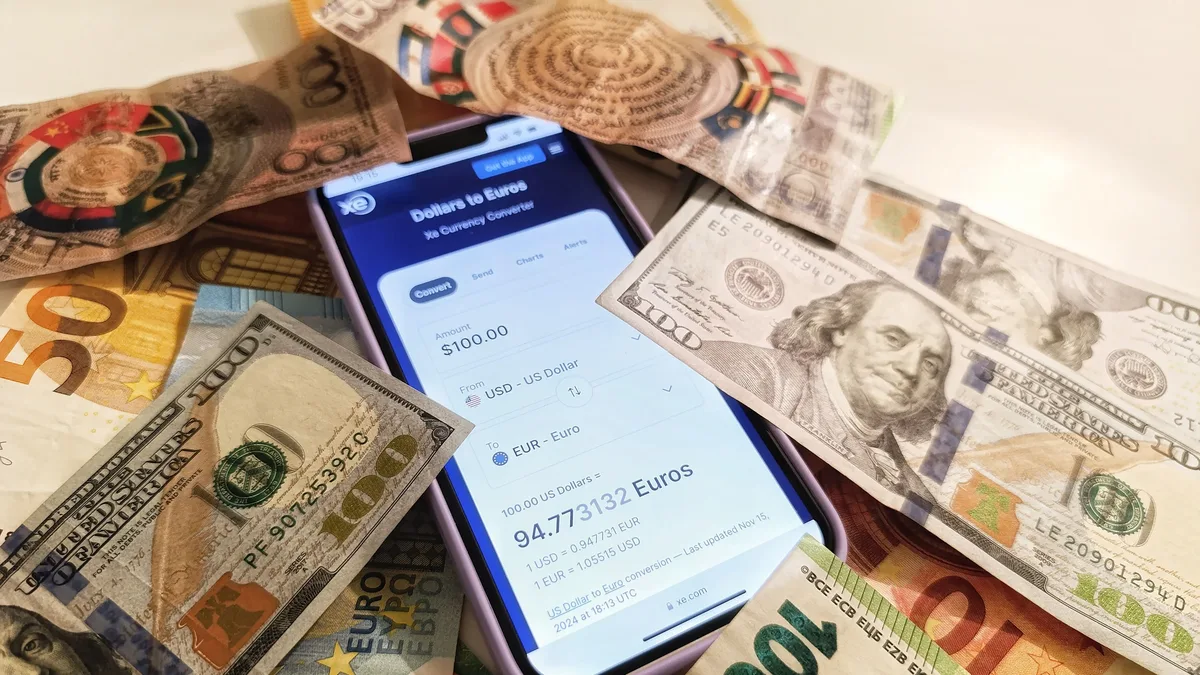
Both major card networks levy cross-border fees on top of standard interchange, and acquirers add their own international fees. Stripe's published US pricing, for example, adds 1.5% for payments made with international cards. Also, if the payment currency differs from the settlement currency, a conversion fee applies. Stripe prices this conversion at 1%, while other providers like HaiPay publish foreign exchange fees ranging from 1% to 2.5%.
| Fee Type | Example Provider | Published Rate or Range |
|---|---|---|
| Cross-border assessment | Stripe (US) | 1.5% added for international cards |
| Currency conversion (FX spread) | Stripe | 1% |
| Currency conversion (FX spread) | HaiPay | 1% to 2.5% |
When stacked together, these additional fees can create a cross-border cost delta of several hundred basis points, completely overshadowing minor differences in domestic headline rates.
The high cost of invisible declines
A more significant cost never appears on an invoice: transaction declines. Issuing banks often apply different risk rules to payments acquired abroad, which can lead to legitimate transactions being refused. The blog states that for a merchant with $10 million in international volume, each percentage point difference in approval rates represents $100,000 in lost or recovered orders.
This approval-rate gap, measured in whole percentage points rather than fractions, is where acquiring payments locally within the buyer's market justifies its cost. Declines are a layer that standard rate comparisons cannot see, yet for many merchants they outweigh the direct fees.
Tax and legal complexities
Payment services do not attract uniform indirect taxes. The location of the acquiring entity can determine whether value-added tax (VAT), goods and services tax (GST), or an equivalent applies to the service fee, and whether the merchant can recover it. Cross-border service fees may also carry withholding tax obligations depending on tax treaties between jurisdictions.
These tax implications are not the provider's responsibility to highlight and never appear on a rate card. However, they create a real financial difference between two quotes that appear identical on paper.
Questions to surface the true cost
The industry has trained merchants to negotiate the most visible but least material cost component once volume crosses a border. To understand the true cost, merchants must ask specific questions. First, they must determine where a transaction is acquired market-by-market, not only where the provider is headquartered. Second, they need to ask where currency conversion happens and request the reference rate and spread as separate figures. Finally, they should request the all-in settled amount and authorisation rate for a representative basket of transactions across different markets, currencies, and card products.
A provider that cannot answer the third question is merely quoting a rate, not a total cost. The blog concludes that optimising for the headline rate alone means a merchant is optimising the one number providers find easiest to change, while ignoring far larger, often invisible, expenses.